Overview

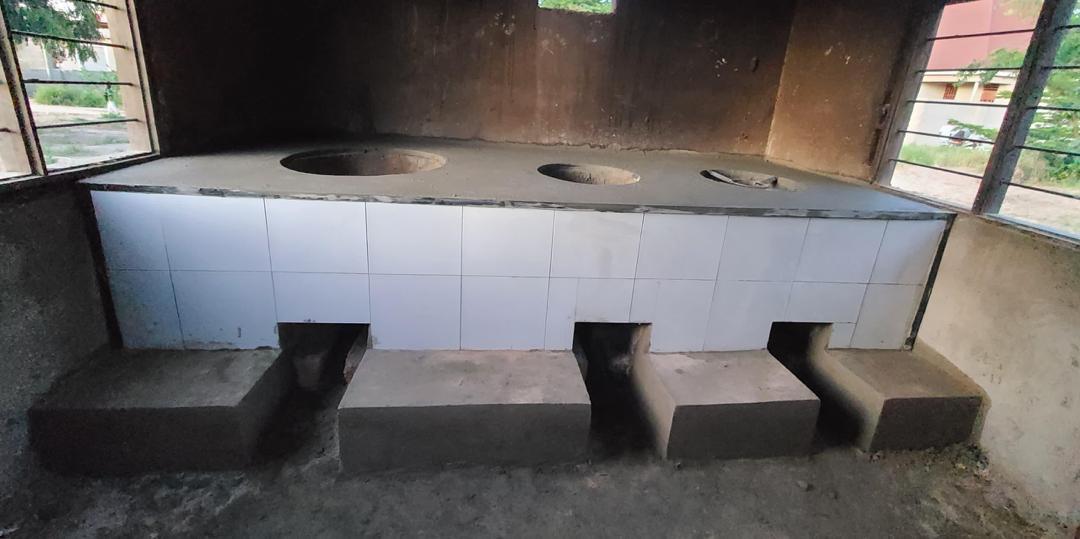
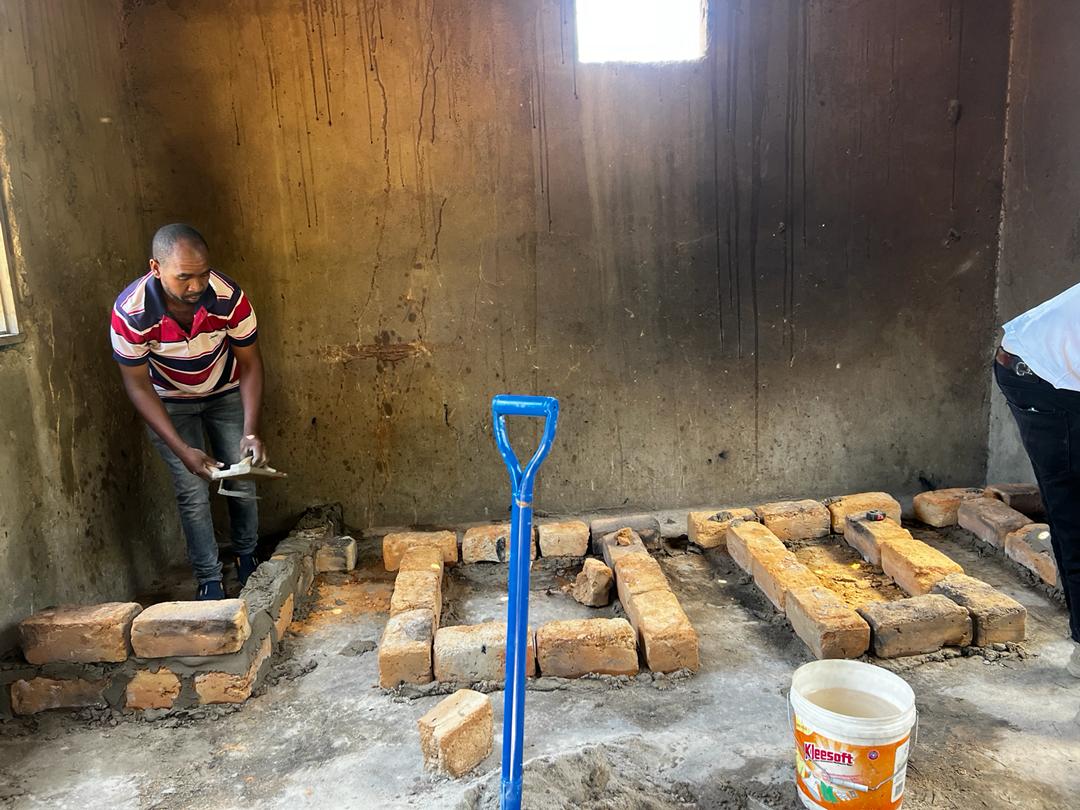
The Mlimwa C eco stove project, a cornerstone of the Flawa Green Schools initiative, sought to transform cooking practices within educational settings by constructing eco-friendly stoves that emphasize both sustainability and health. This project was designed to replace traditional, inefficient stoves with modern, energy-efficient alternatives that significantly reduce fuel consumption and harmful emissions. By promoting the use of these eco stoves, the initiative aimed to address critical environmental issues such as deforestation and greenhouse gas emissions while also improving indoor air quality. The reduction in smoke and pollutants not only fostered a healthier environment for students and staff but also set a powerful example of sustainable practices for the broader community. Through this comprehensive approach, the Mlimwa C eco stove project aspired to create lasting positive impacts on both the environment and the well-being of those within educational institutions.
Challenge

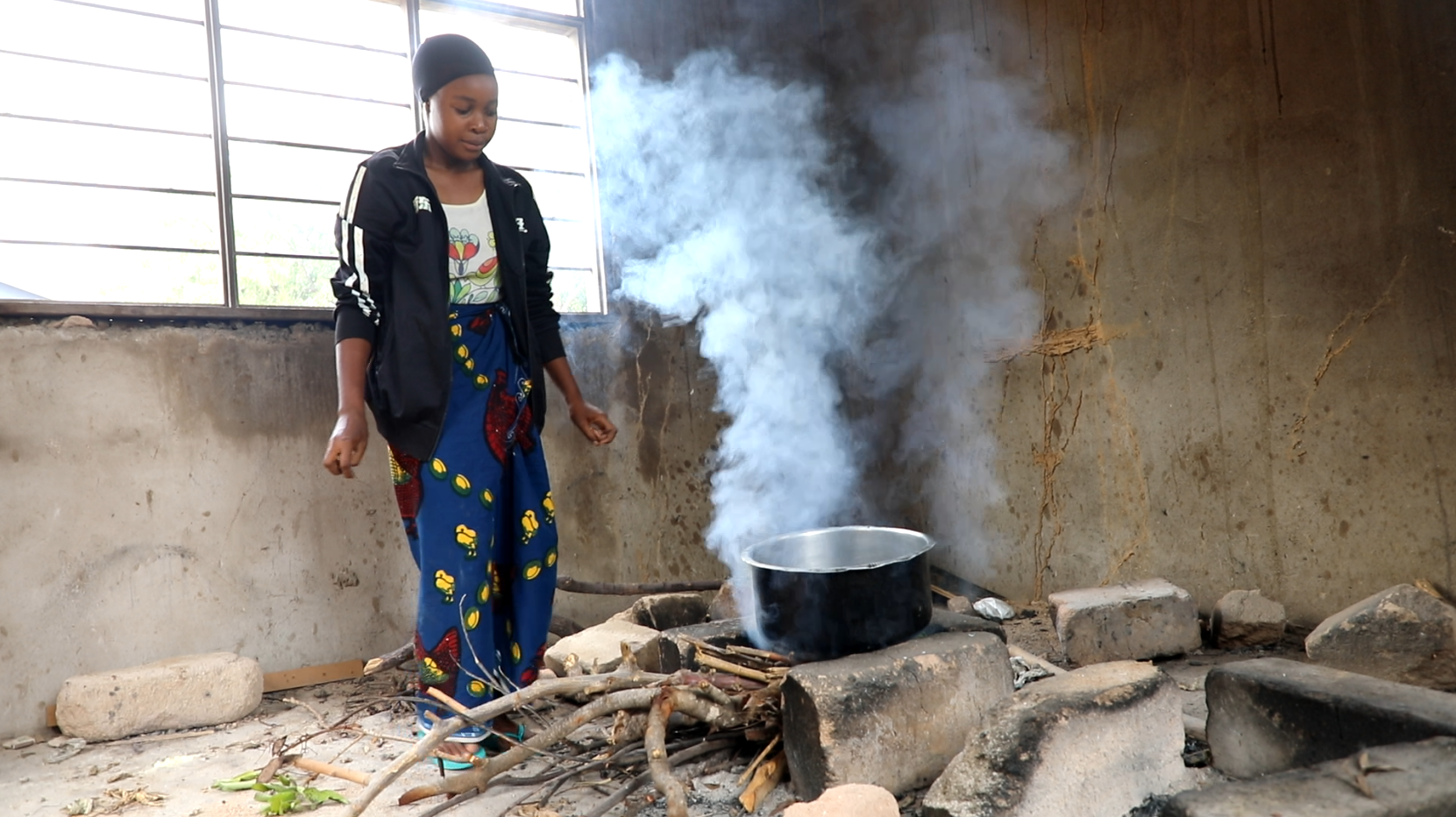
The project focused on tackling the widespread use of traditional stoves, which are known for their inefficiency and high levels of pollution. These stoves, commonly used in many households, burn wood, charcoal, or other biomass fuels, leading to significant environmental degradation. The inefficient combustion process not only wastes valuable resources but also releases large amounts of carbon dioxide and other harmful pollutants into the atmosphere, contributing to deforestation and climate change. By addressing these issues, the project aimed to promote more sustainable cooking methods that could reduce the ecological footprint of households.

In addition to the environmental impact, the use of traditional stoves poses serious health risks due to indoor air pollution. When these stoves are used in poorly ventilated spaces, they produce smoke and fine particulate matter that can be inhaled by household members. Prolonged exposure to such pollutants is linked to respiratory diseases, cardiovascular problems, and other health conditions. Women and children are particularly vulnerable, as they often spend more time near the cooking area. The project aimed to mitigate these health risks by introducing cleaner and more efficient stove technologies, thereby improving the overall well-being of communities.

The project’s holistic approach addressed both the environmental and health aspects associated with traditional stove use. By promoting the adoption of modern, energy-efficient stoves, the initiative sought to reduce greenhouse gas emissions and conserve natural resources, while also protecting the health of individuals. Education and awareness campaigns were integral to the project’s success, ensuring that communities understood the benefits of transitioning to cleaner cooking methods. Ultimately, the project not only aimed to improve environmental sustainability but also to enhance the quality of life for those affected by indoor air pollution.

Solution

To combat the issues of inefficiency and pollution associated with traditional stoves, the project introduced energy-efficient eco stoves. These stoves were designed with advanced technology to minimize fuel consumption, thereby conserving valuable natural resources like wood and charcoal. By optimizing the combustion process, the eco stoves significantly reduced the amount of fuel needed for cooking, making them not only more environmentally friendly but also cost-effective for users. This innovation aimed to lessen the environmental impact of cooking practices, addressing deforestation and reducing greenhouse gas emissions.

In addition to their fuel efficiency, the eco stoves were engineered to reduce harmful emissions. Traditional stoves emit large quantities of smoke and particulate matter, which contribute to indoor air pollution and pose severe health risks. The eco stoves, on the other hand, were designed to burn fuel more completely, resulting in lower levels of harmful pollutants being released into the air. This reduction in emissions was crucial in mitigating respiratory illnesses and other health problems caused by prolonged exposure to indoor air pollution. By improving air quality within homes, the eco stoves played a vital role in enhancing the overall health and safety of communities.

To ensure the effective adoption and usage of these eco stoves, the project also implemented comprehensive educational programs. These programs were essential in raising awareness about the benefits of the new stove technology and teaching users how to operate them correctly. Through workshops, demonstrations, and ongoing support, community members were educated on the environmental and health advantages of switching to eco stoves. The educational initiatives also addressed any cultural or practical barriers to adoption, fostering a sense of ownership and commitment among users. By combining technological innovation with education, the project aimed to create lasting change, promoting sustainable cooking practices and improving the quality of life for the affected populations.

Results

The successful implementation of the eco stove project resulted in a notable decrease in fuel use, which played a significant role in mitigating deforestation. Traditional stoves require large amounts of wood or charcoal, often sourced unsustainably from nearby forests, leading to extensive environmental degradation. With the adoption of energy-efficient eco stoves, the amount of fuel needed for daily cooking activities was substantially reduced. This reduction not only helped preserve local forests but also contributed to the broader efforts of combating climate change by lowering carbon emissions. The conservation of natural resources ensured a more sustainable approach to cooking, benefiting the environment and setting a positive example for sustainable practices within the community.

In addition to environmental benefits, the eco stove project significantly improved air quality within the school premises, enhancing the overall well-being of students and staff. Traditional stoves emit large quantities of smoke and harmful particulates, which can accumulate indoors, especially in poorly ventilated areas. This indoor air pollution poses serious health risks, including respiratory infections, eye problems, and chronic lung diseases. The introduction of eco stoves, which burn fuel more efficiently and cleanly, resulted in a dramatic decrease in indoor smoke and pollutants. Improved air quality created a healthier learning environment, reducing health-related absences and enhancing the comfort and safety of the school community. By prioritizing both environmental sustainability and health, the eco stove project made a profound impact on the quality of life and education at the school.